MILD AND FULL
Hybrids that charge themselves
A mild hybrid's motor helps the engine but cannot drive the car on electricity alone. A full hybrid has a bigger battery and motor and can drive short distances at low speeds.
Compare the types hybridmetrics
WHAT THE FIGURES MEAN
Hybrid is one word for three quite different cars.
Check a hybrid type
CHARGEit often
Some cannot move on electricity at all, some can creep along quietly in town, and some can be plugged in and driven for miles on battery. Their official figures come from a laboratory test, and real-world data shows the gap is largest for plug-ins that are not charged often.
At a glance
19% more
Real-world CO2 above official, 2023
For combustion-engine cars, including mild and full hybrids, real-world emissions exceeded the official values by 19% in 2023, up from 18% in 2021.
PETROL, DIESEL AND HYBRIDS · ICCT 2026
≈ 5× official
Real-world CO2 above official, 2023
Plug-in hybrids emitted 401% more than their official figures, about five times as much. The ICCT says this mainly comes from the test overestimating how much they are driven on electricity.
PLUG-IN HYBRIDS · ICCT 2026
TWO NUMBERS WORTH KNOWING
From fuel meters fitted in about 8 million new cars
registered in Europe between 2021 and 2023.
Source: ICCT, On the way to real-world CO2 values? Evidence from 2021–2023 on-board fuel consumption monitoring data (June 2026). Figures are fleet averages, not any one car.
A QUICK TYPE CHECK
Pick a kind of hybrid, or how a plug-in is used, to see how much driving it can do on electricity alone. The bar shows the electric share compared with the other choices.
General descriptions of each type. Individual models differ, so check the figures for the car you are looking at.
THE SHORT ANSWER
The bigger the battery, the more electric driving it can do.
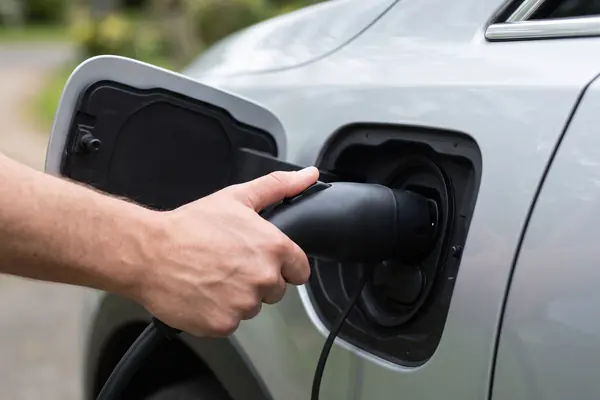
Only a plug-in can be charged from the mains.
MILD AND FULL
A mild hybrid's motor helps the engine but cannot drive the car on electricity alone. A full hybrid has a bigger battery and motor and can drive short distances at low speeds.
Compare the typesPLUG-IN
A plug-in hybrid can be charged from the mains. US Department of Energy figures give current models an electric range of about 15 to 60-plus miles.
Get the most from itOFFICIAL FIGURES
Official fuel and CO2 figures come from the WLTP laboratory test. The UK Vehicle Certification Agency says they are a way of comparing similar models, not a promise of what you will get.
See the real-world gap
FOUR WAYS TO READ THEM
These are not tips for buying any particular car. They are about understanding what the figures you see actually describe.
Mild, full and plug-in hybrids work very differently. Only a full or plug-in hybrid can drive on electricity alone, and only a plug-in can be charged from the mains.
The VCA says WLTP figures are obtained under specific test conditions and serve as a means of comparing models of a similar type.
Driving style, accessories and extra weight all change the fuel you actually use, the VCA notes. Real-world data shows ordinary cars averaging around a fifth above their official figures.
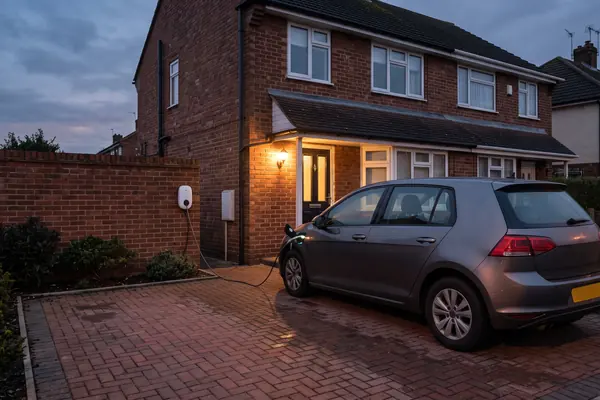
Consistent charging is the best way to get the electric benefits, says the US Department of Energy. Never charged, a plug-in uses about as much fuel as a similar ordinary hybrid.
WHY PLUG-INS SHOW THE BIGGEST GAP
A plug-in's official figure blends battery driving and engine driving using a 'utility factor', an assumption about how much distance is electric. Data from about one million plug-ins in Europe found only around a quarter of the distance was driven electrically (27–31%), and average real-world use was 5.9 litres per 100 km.
Even with the battery in use the engine ran a fair amount: about 2.8 l/100 km on average, rising to 7.4 l/100 km once the battery was depleted. EU rules are being tightened in steps; the researchers estimate the gap falls from over 300% under the pre-2025 rules to about 40% under the version due from 2027.
Questions
A mild hybrid's battery and motor help the engine and let it switch off when stopped, but cannot drive the car on electricity alone. A full hybrid has a bigger battery and motor and can drive short distances at low speeds on electricity.
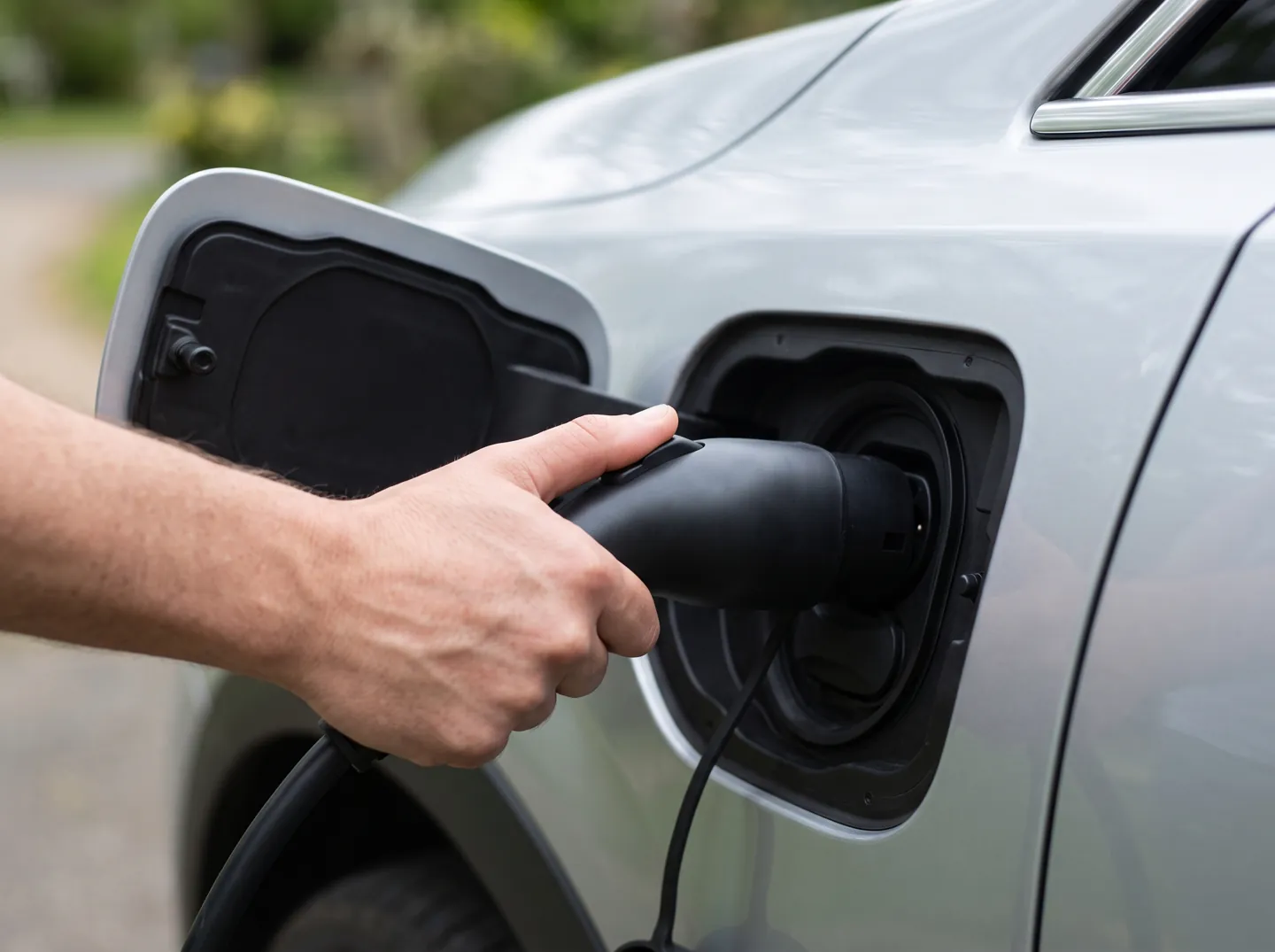
Only plug-in hybrids can be charged from the mains. Mild and full hybrids are charged by the engine and by regenerative braking, which turns the motor into a generator when the car slows down.
The US Department of Energy gives current models an electric range of about 15 to 60-plus miles. Check the figure for the specific model you are looking at.
The Worldwide Harmonised Light Vehicle Test Procedure. It replaced the older NEDC test for new cars from September 2017 and is run in a laboratory, with results reported as Low, Medium, High, Extra-high and Combined.
The official figure comes from a lab test under set conditions. In 2023, European cars with combustion engines used around 19% more than official in real driving, and plug-in hybrids about five times more, mostly because they were charged less than the test assumes.
Sources
ABOUT THIS NAME
hybridmetrics.com is part of the DoodleSale portfolio. It isn't in an auction right now, but you can ask about leasing it.